
The person standing beside you does more than make your marriage legal. Your officiant welcomes the room, tells your story, calms your nerves, guides the important moments, and helps your ceremony feel like it belongs to you.
Your Wedding Officiant Sets the Tone

Let’s Be Real:
Most Couples Have Never Hired A Wedding Officiant Before
The person standing beside you matters. This page is dedicated to outlining how to choose someone who can make the ceremony feel like it could only belong to you.
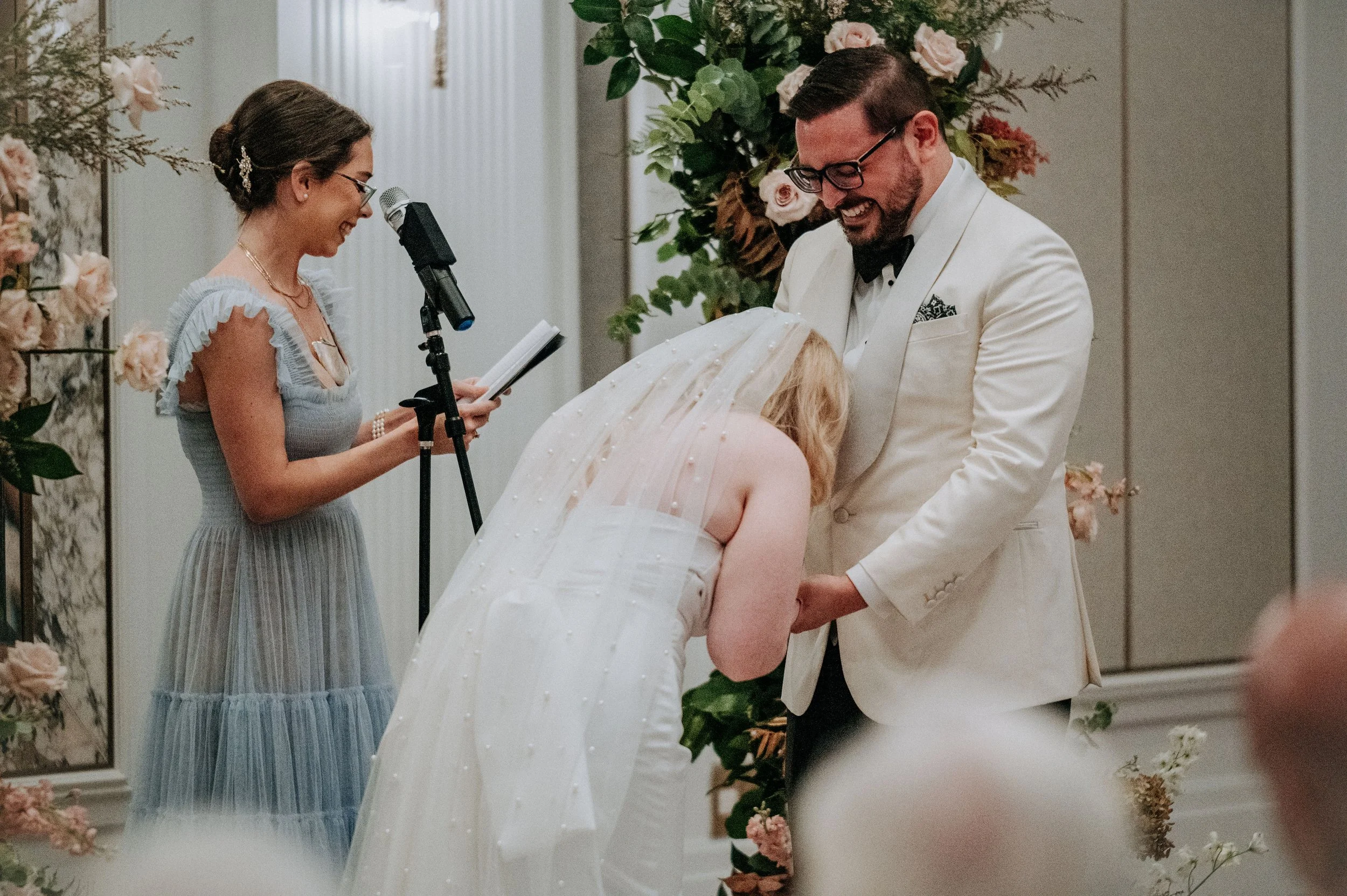
You can have beautiful flowers, a remarkable venue, and an incredible photographer, but once the ceremony begins, the person holding the microphone becomes the voice of your wedding.
That’s a lot of influence in a short period of time.
Do you know what to look for?
Your officiant influences whether the ceremony feels:
Personal or generic
Comfortable or awkward
Joyful or overly solemn
Organized or uncertain
Like something you experienced or something you simply got through
When things happen unexpectedly, can your officiant pivot and adapt under pressure?
Professionalism Is the Baseline
Connection is What Makes it Joyous
A ceremony can be legally correct, well organized, and competently delivered…. and yet still feel as though it could have belonged to anyone.
When I officiate your wedding, my role goes far beyond conducting the ceremony. I create an experience shaped around your relationship and lead it with the warmth, confidence, and familiarity of someone who truly knows you.
My goal is for you to feel completely present—and for your guests to wonder how long I have been part of your lives.
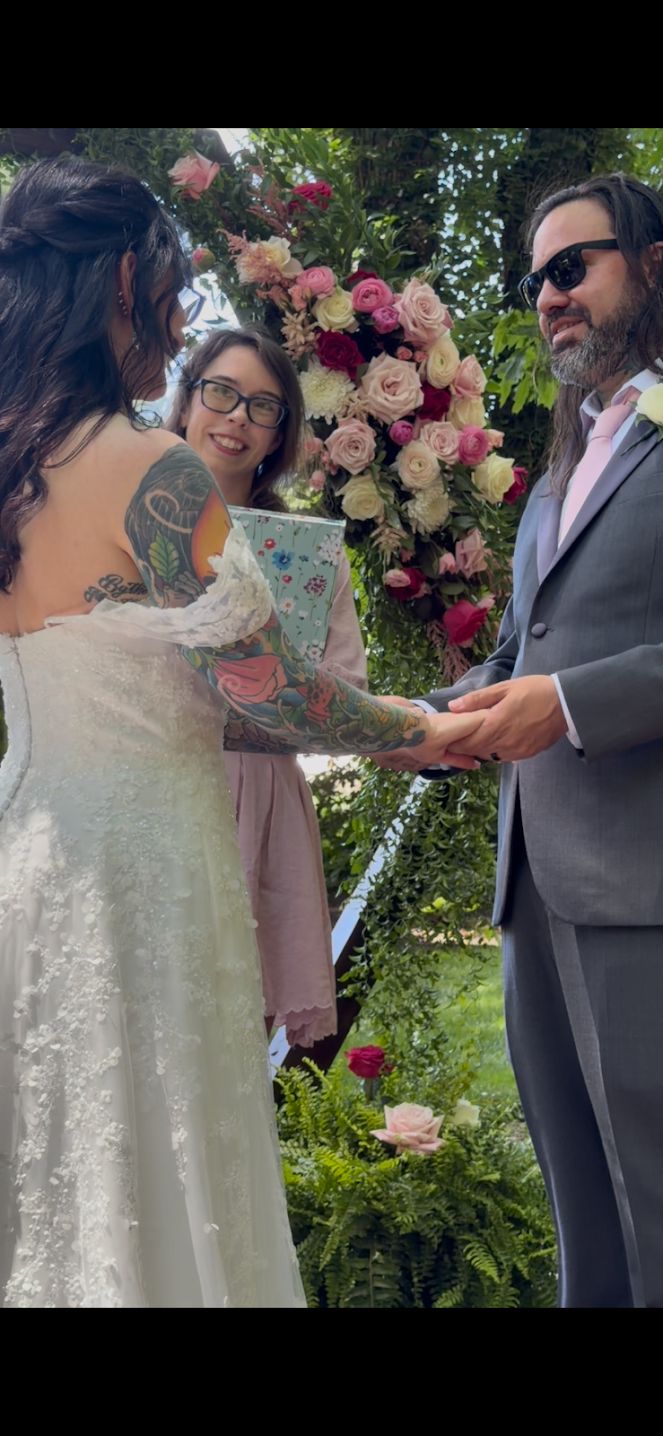
What to Expect from Your Wedding Officiant
-
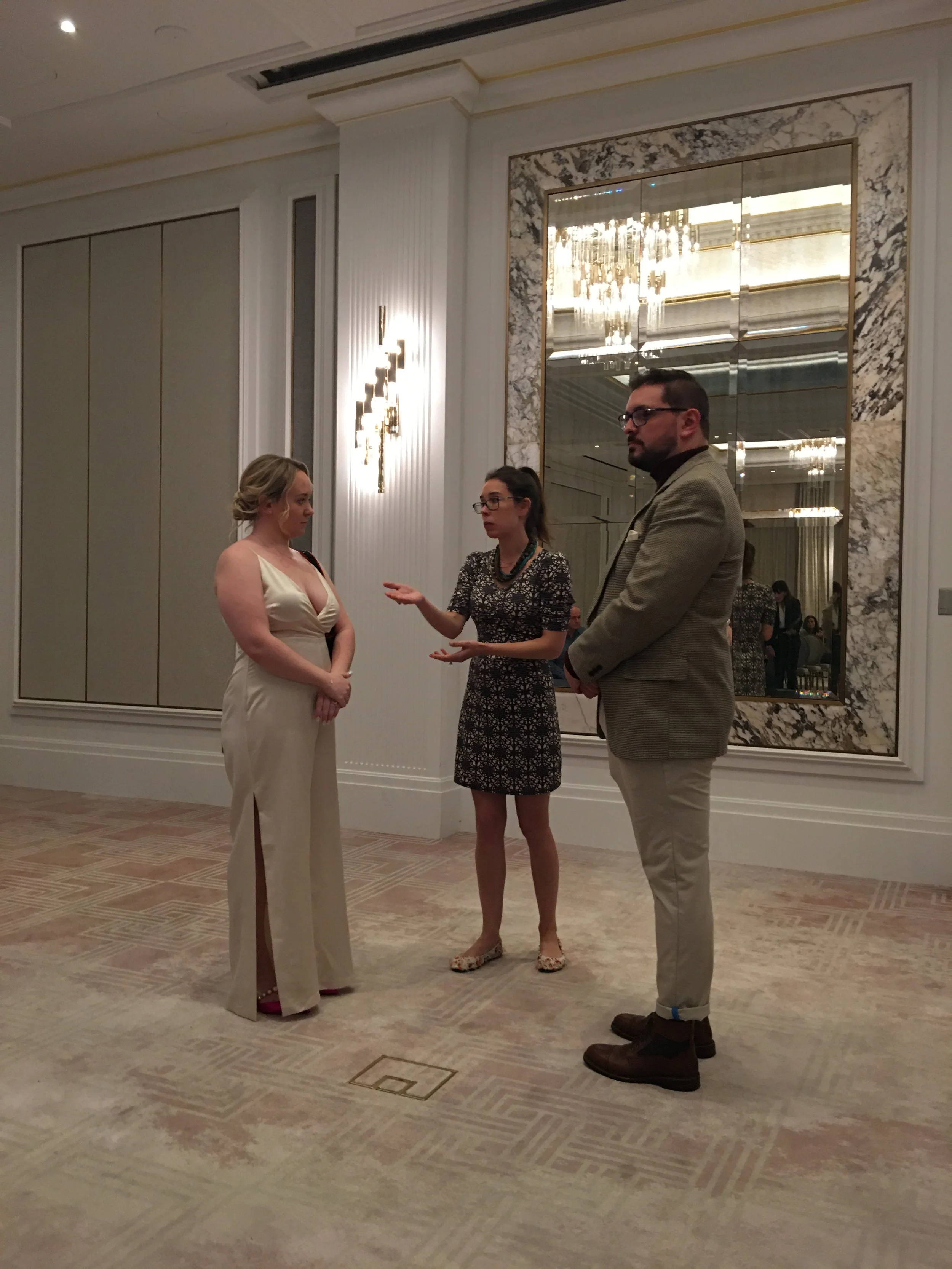
Your officiant should respond reliably, explain the process, and make sure the important ceremony details are confirmed before your wedding.
-
Your officiant should know whether you want your ceremony to feel religious, secular, traditional, modern, sentimental, humorous, or somewhere in between.
-
Your officiant should guide you through decisions about vows, readings, rituals, family involvement, and the overall order of events.
-
Your officiant should understand their responsibilities and help you navigate the marriage license requirements for your wedding.
Before Your Wedding
The Bare Minimum vs. The Joyous Difference
-
I will guide you through the process without overwhelming you, helping you make each decision at the right time and arriving fully prepared for your day.
-
I will take the time to learn about your personalities, values, relationship, family dynamics, and sense of humor—not simply place you into a ceremony category.
-
Rather than adding traditions simply because they are expected, I will help you choose moments that feel meaningful and weave them naturally into your ceremony.
-
I will explain what you need to do, carefully complete my responsibilities, and help make sure nothing important gets overlooked.

During Your Ceremony
The Bare Minimum vs. The Joyous Difference
-
Your officiant should be comfortable leading the ceremony and speaking clearly enough for everyone to follow.
-
Your officiant should guide the ceremony without rushing meaningful moments or allowing it to lose momentum.
-
Your officiant should help you know when to speak, exchange rings, share vows, and move through each part of the ceremony.
-
Your officiant should be able to adjust if a reader is missing, a child wanders away, the weather changes, or the ceremony begins late.
-
Your officiant should work cooperatively with your planner, photographer, musicians, and sound team.
-
I pay attention to you, your guests, respond naturally to their reactions, and create the feeling that everyone is experiencing the ceremony together.
-
I know when to pause for laughter, emotion, or applause—and when to gently carry everyone into the next moment.
-
I will guide you calmly and subtly so you can remain present rather than worrying about cues or remembering the order of events.
-
Weddings are wonderfully unpredictable and perfectly imperfect. I will adapt in the moment while helping everything continue to feel natural and intentional.
-
I consider microphone placement, musical cues, photographer sightlines, entrances, transitions, and where I should stand when it is time for your first kiss.
After Your Ceremony
The Bare Minimum vs. The Joyous Difference
-
Your officiant should complete and return the required paperwork accurately and on time.
-
Your license is owed back to the town hall on a prescribed timeline. In New Hampshire, it’s 8 days after the ceremony. In Maine, it’s 6 business days. In Massachusetts, it’s the 10th of the following month.
-
Your officiant should remain available for any final legal or logistical questions.
-
I check ahead to confirm if you have witnesses in mind (if they’re needed, like Maine) and whether you want. me to use my JP or minister credentials. I also check to confirm the rest. ofthe marriage license is filled out correctly.
-
I don’t leave things to chance and will hand deliver the license whenever possible. Otherwise I send it Priority Overnight to ensure tracked delivery.
-
Once you become my couple, you’re adopted forever. That’s just how it goes. Having issues with the town hall? I’ll call them. Having a baby? I’ll comment on your photo. Hosting a game night? I’ll be there.
Hiring me is like hiring your best friend, except I’ve done this 100 times.
Let’s Work Together - Send Me a Love Note
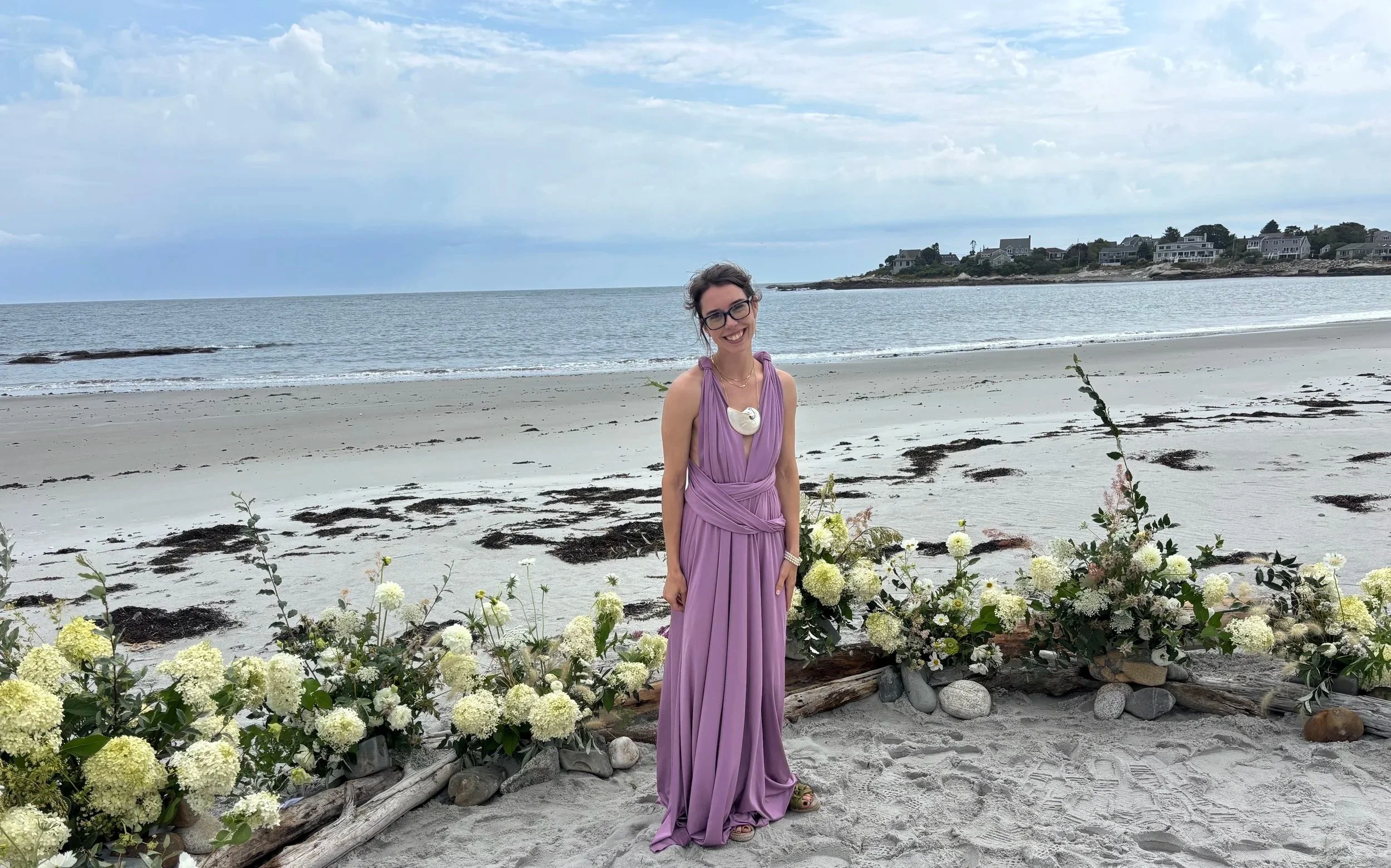
Katie is a bilingual Justice of the Peace and Ordained Minister based out of Londonderry, NH. She’s been officiating weddings all over New England for over a decade and loves to get to know her couples individually to provide them an experience that feels uniquely theirs.